The threats to our planet’s wilderness are diverse, complex, and highly interrelated
The good news is that every problem we solve can open the door to solving the next.
Conservation is not a footnote to what we do. It is the foundation. Through The Solo Wildlife Trust, we turn this commitment into action — protecting habitats, supporting the people who safeguard them, restoring landscapes, and creating positive opportunities for communities living alongside wildlife.
Every journey we curate contributes to this larger purpose, helping fund work that has a real and lasting impact on the people, wildlife, and places our guests visit. For you, it means traveling with the knowledge that your journey can be part of something bigger.
Our protocol is simple: Protect. Restore. Rewild. Engage. With your support, and our commitment towards the Solo Wildlife Trust, we can take this work further. You can contribute in one of two ways:
Sometimes Conservation is
Habitat Redevelopment
The Challenge: India’s jungles are no stanger to calamities like wildfires and prolonged periods of water scarcity during dry seasons. On top of that is the constant human pressures.
“I always wondered how animals deal with situations like these?” says our founder, Suyash Keshari “I used to hope that the natural world had some sort of a Plan B.”
Sadly, it does not. These are the situations that force animals to abandon their homes in search of food and water, to face hunger, territorial fights, conflicts with humans, and oftentimes, death.
Well, not on our watch.
Initiative I
Re-Wilding Project
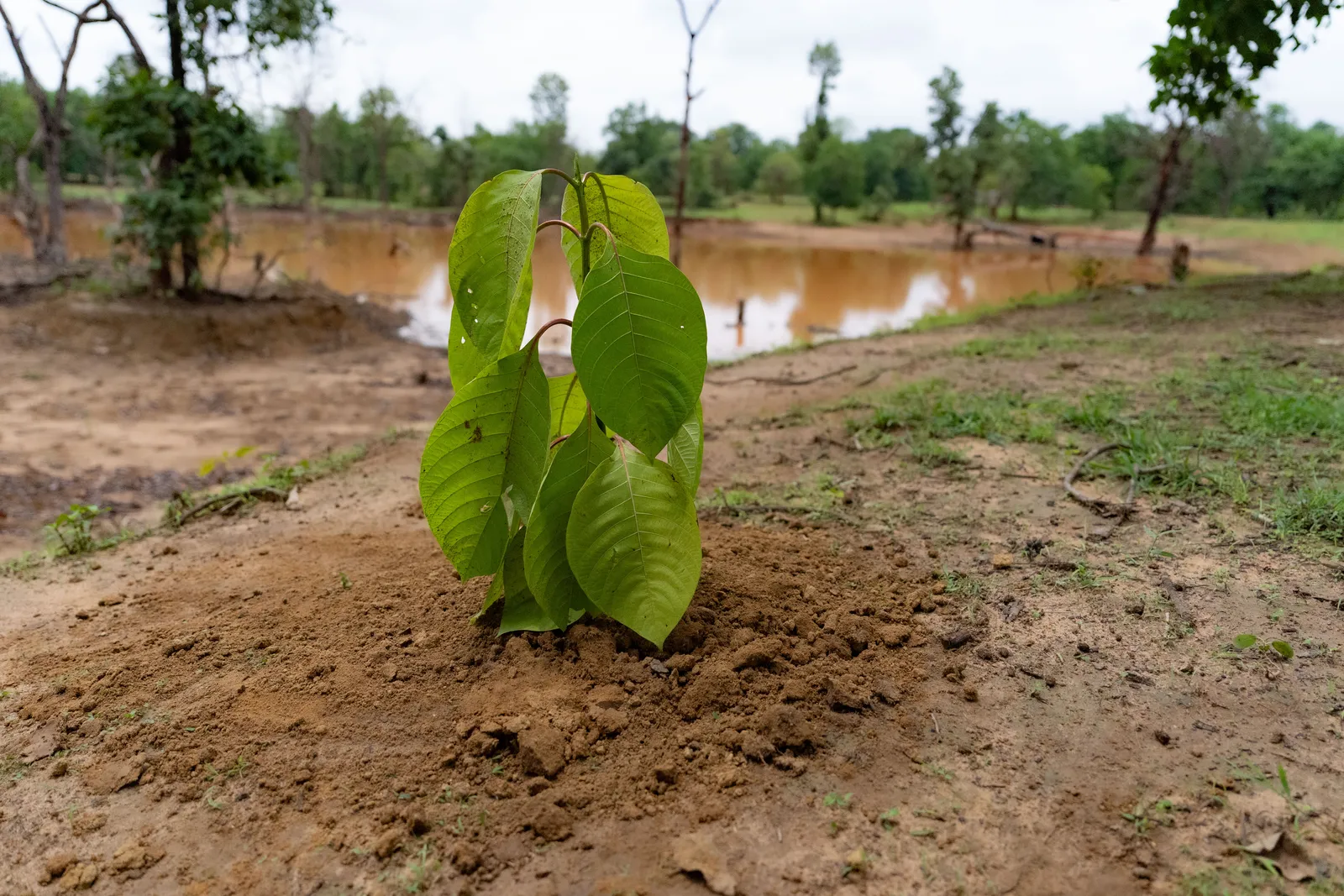
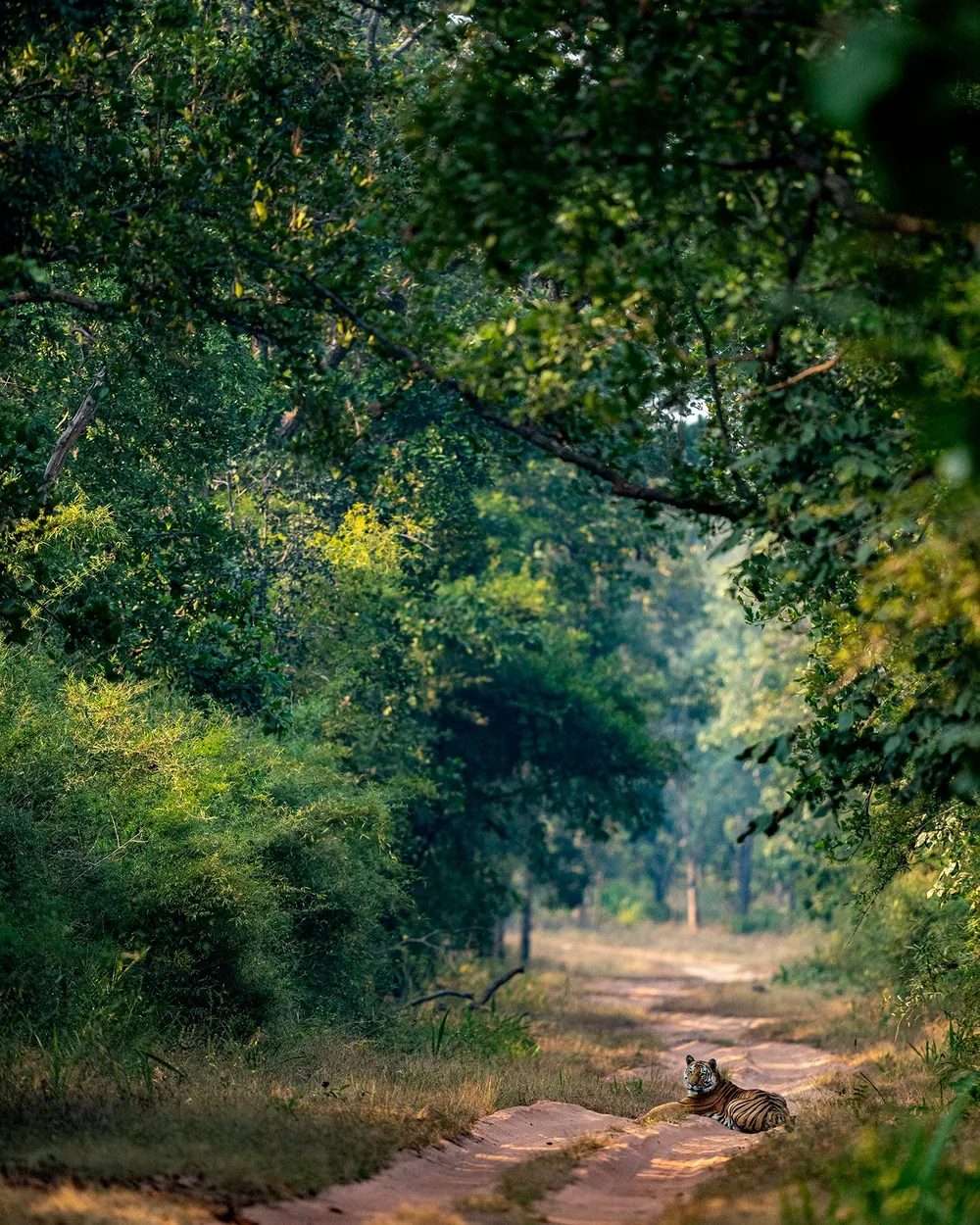
Our work: Actively acquiring farmlands & degraded areas adjoining the parks in Central India to bring them under protection and expand wildlife corridors. Introducing native species of grass, bushes and trees. We also use this land to honor our commitment of planting 1 tree for every guest on safari. In a world where forests are lost every single second, our re-wilding project stands as a single most important pillar of our conservation commitment.
The impact: Land that was once lost to agriculture and mining is converted into a thriving habitat for wildlife – and slowly increasing.
Initiative II
Wildlife Monitoring
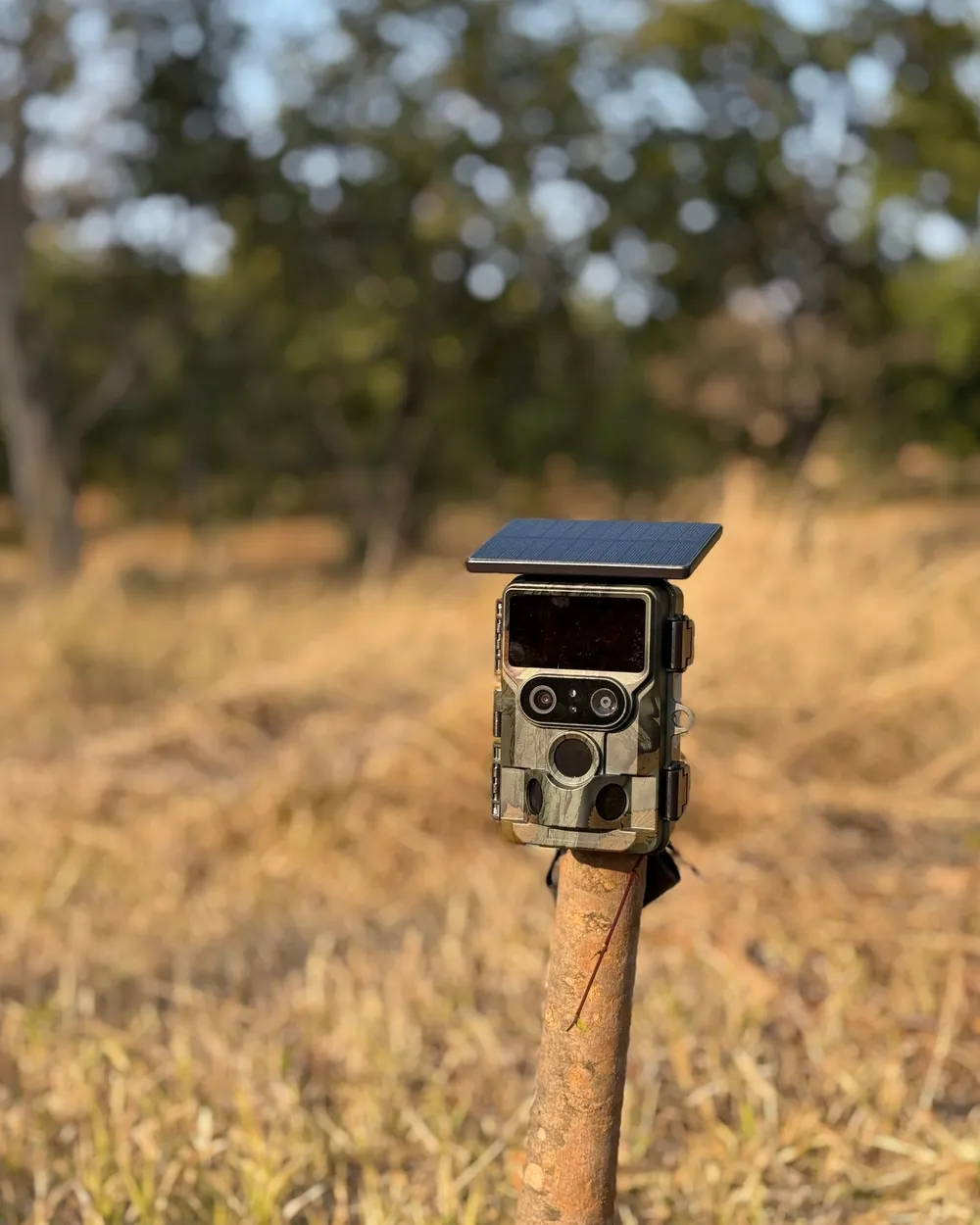
Our work: An important process of re-wilding is monitoring whether wildlife is moving into the landscape, what species are coming in and what is their behavior. Our cameras constantly record animal movement, as well as the activities of communities to ensure a peaceful co-existence. Additionally, we undertake wildlife monitoring initiatives in collaboration with Forest Departments in protected areas to enhance and aid their efforts. Monitoring also serves as a deterrence to poachers.
The impact: Wildlife monitoring adds to long-term research, provides valuable first-hand data and deters poaching.
Initiative III
Fighting Fires
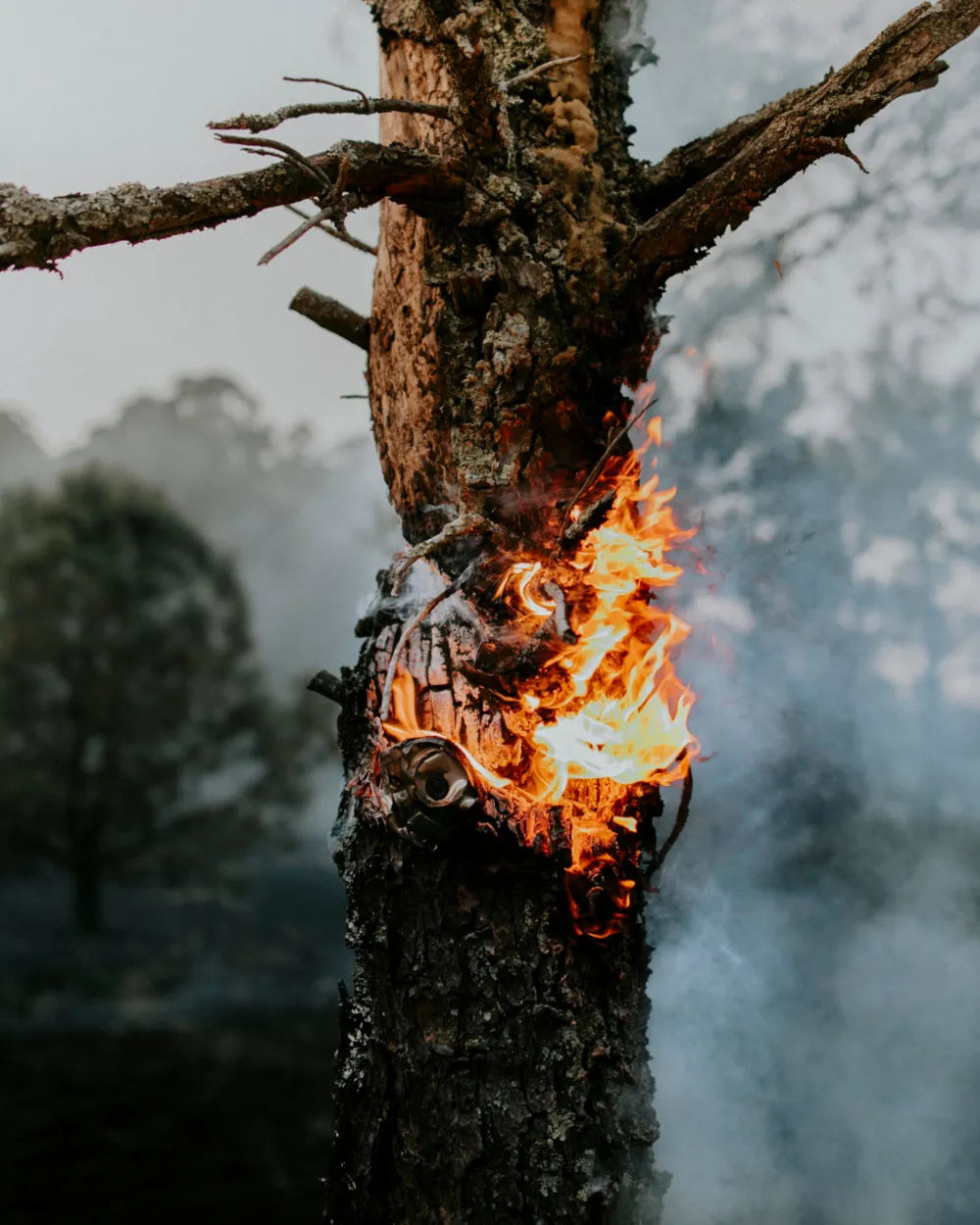
Our work: We actively respond to such events by working with authorities to douse the fires and to rescue the affected wildlife. While we try our best to regenerate lost habitats and support reconstruction and restoration efforts, the damage is usually heartbreaking.
The impact: A relatively faster rate of recovery and stabilization of the forest and its inhabitants.
“Once, when I was patrolling an affected area, I came across a very badly burnt langur mother who was holding on to a broken branch with one hand and her injured baby with another. The sight was so morbid that it broke my heart into a million pieces.”
Suyash
Initiative IV
Building Water Sources
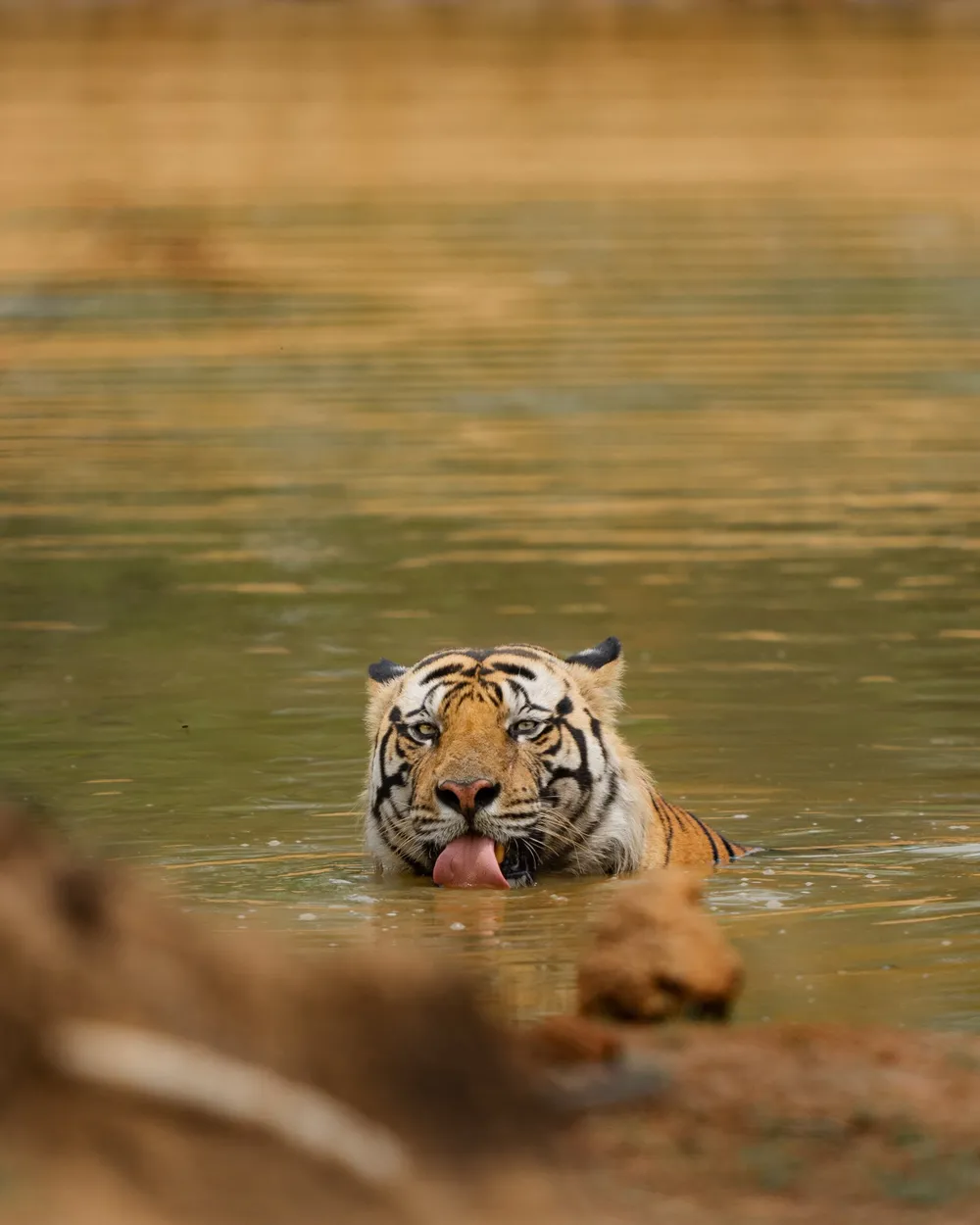
Our work: We constructed six self-sustaining waterholes in the periphery forests of Bandhavgarh National Park. It took a lot of paperwork, negotiations, and workforce management! Did you know that villagers often gauge groundwater levels with a coconut? neither did we! But the result? Unimaginably satisfactory.
The impact: It took less than a week for a family of 5 tigers to move in right next to one of the waterholes.
Our water holes are now home to 8 tiger families, in the home range of 6 leopards, 6 sloth bears, and thousands of herbivores and birds.
Sometimes Conservation is
Wildlife Rescue Missions
To achieve our broader conservation goals, we’ve partnered with RESQ Charitable Trust to address one of the most pressing challenges to wildlife conservation today: human-animal conflict.
We launched the AmeliyaRESQ Fund, aiming to rescue and rehabilitate animals from conflict zones, and have rescued 500+ animals till date.
Initiative V
Protecting the Protectors
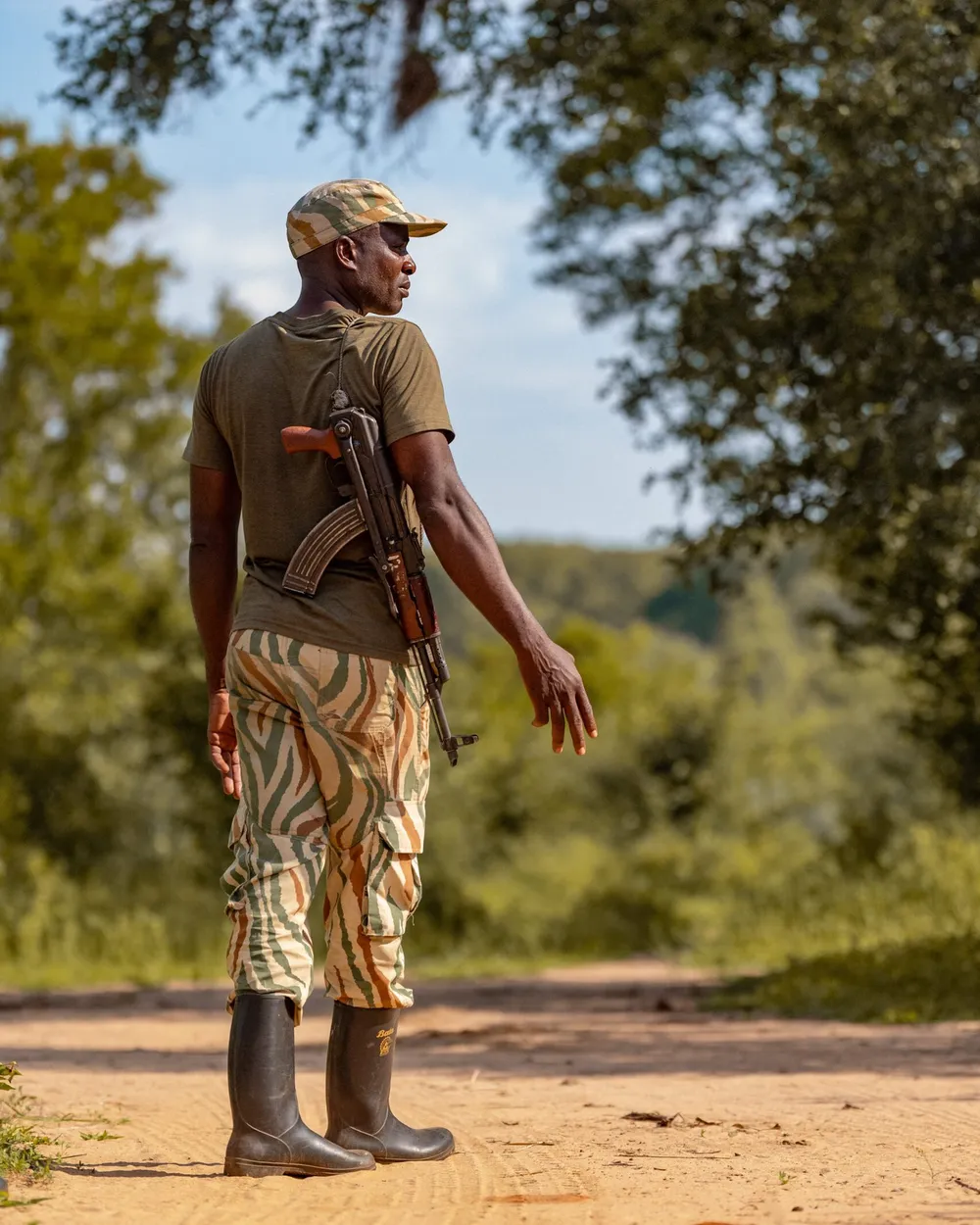
Our work: Anti-poaching camps often lack basic amenities, hindering their effectiveness in protecting wildlife.
We electrified 175 anti-poaching camps with solar lamps and equipped 500+ forest staff with essential gear, including raincoats, shoes, bags, and solar-powered torches.
The impact: This improved morale and working conditions for frontline conservationists and enhanced the efficiency of forest rangers during night patrols.
Initiative VI
Building the Future
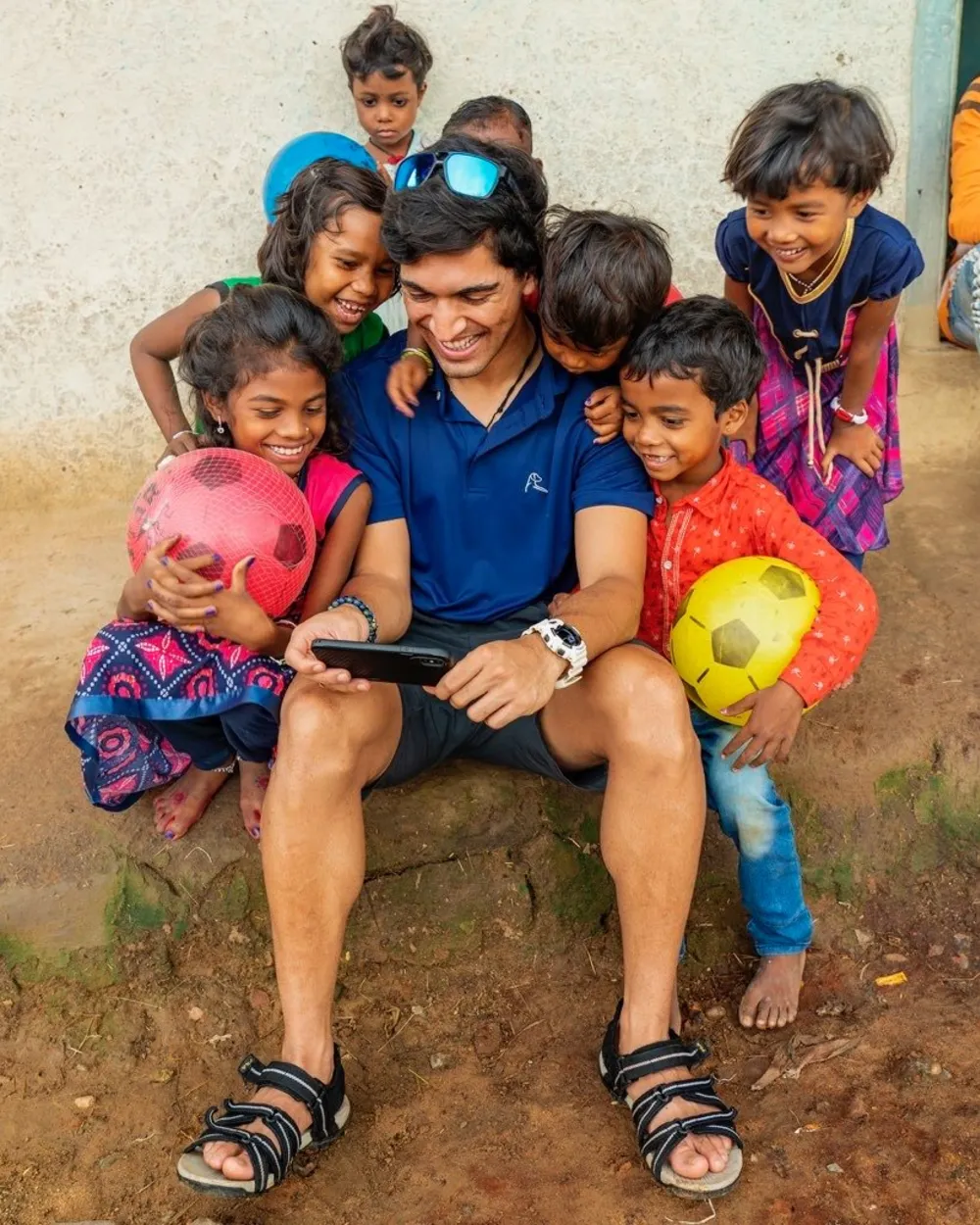
Our work: Our efforts are focused on communities that live in close proximity to wild animals and children who will be the torchbearers of the future. We facilitate these efforts through our donations to educational programs of organizations such as The Last Wilderness Foundation and the World Wildlife Fund.
The impact: This allows us to empower the next generation with knowledge and tools to protect wildlife.
And finally
This is where you come in
You are the MVP here, after all. Contributions from our audience and guests are the sole reasons we have been able to carry out these initiatives and generate this level of impact! We can’t begin to express the gratitude we feel when we visit the re-wilded areas in Central India and watch how the habitat restoration as well as our waterholes project have completely revived the barren patches of land.
The best way for you to be a part of our wildlife conservation journey is to either plan a safari experience with Ameliya Safaris, in which 5% of the profit from your itinerary is directly re-invested into conservation or alternatively, you can donate to the Solo Wildlife Trust and Ameliya RESQ Conservation Fund to directly support wildlife conservation initiatives. Pick your preferred mode of support.