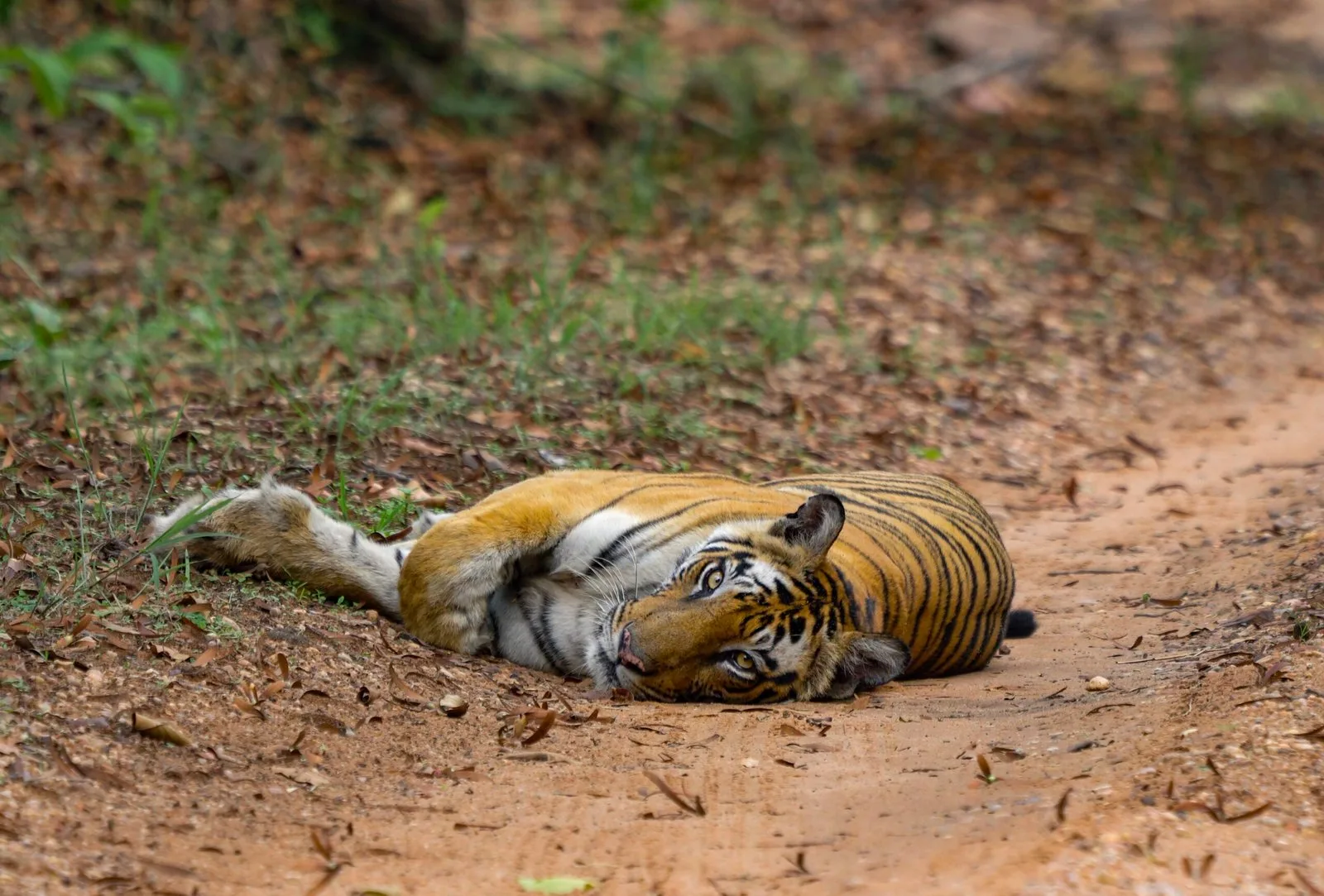
If there is any individual that has had a decisive role to play in my personal and professional life – besides family – it has to be tigress Solo. I had known her since she was a cub herself and followed her life for almost eight years. We grew up together.
Her mother was the first tiger I saw in Bandhavgarh and followed for nearly a decade before she passed away. I witnessed Solo overtaking her mother’s territory. I spent countless hours with her or in search of her. Through this tigress, I learned the importance of family, of living in the moment, being ruthlessly loyal and ambitious but at the same time caring and loving. I saw her miss ten, maybe fifteen hunts before successfully bringing down her prey – each failed attempt bringing her closer to starvation. Through this I learned to never give up. A tigress taught me all this and more. A tigress called Solo.
In October 2020, Solo was poisoned. This is her story.
Solo was born to Rajbehra female – a tigress famed among safari goers across the world – she was quite the showstopper at the time, controlling one of the most extensive and pristine territories in Bandhavgarh. Solo and her three siblings – two females and a male, were born in 2012 in a deep cave that Rajbehra’s mother Jhurjhura had frequented.
While Solo’s mother Rajbehra and grandmother Jhurjhura were named after the areas they resided in, Solo got her name because of the behavior she displayed from a very young age – the tendency to be independent, venture away from her siblings in curious pursuits and being alone – being the solo female among a litter of four.
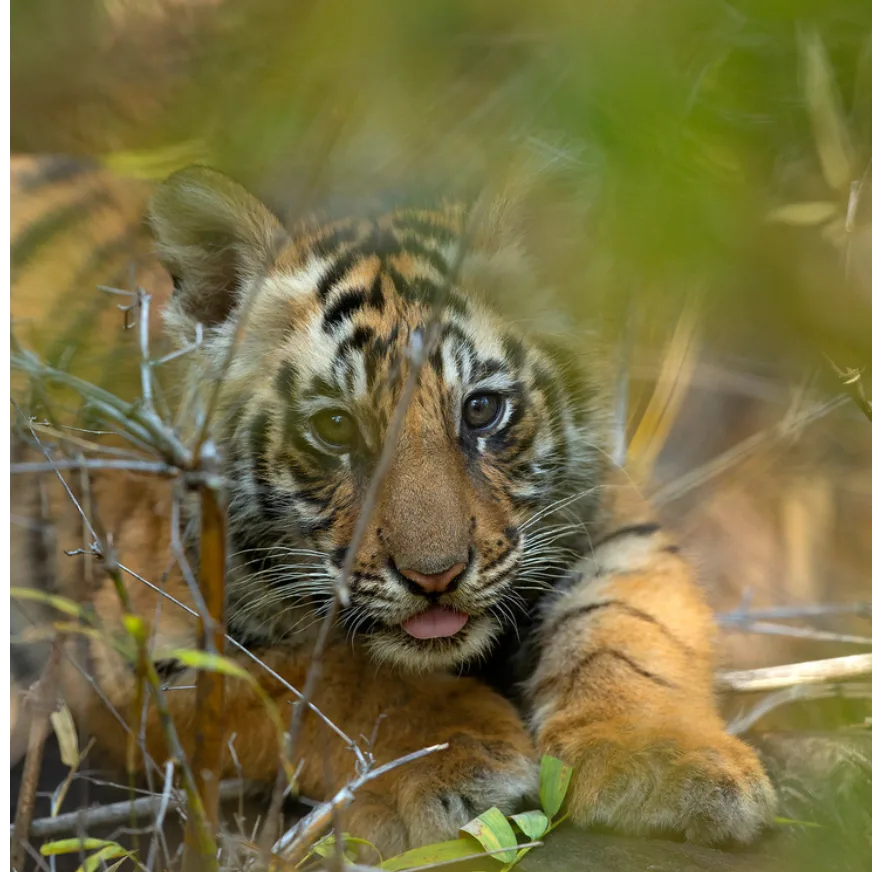
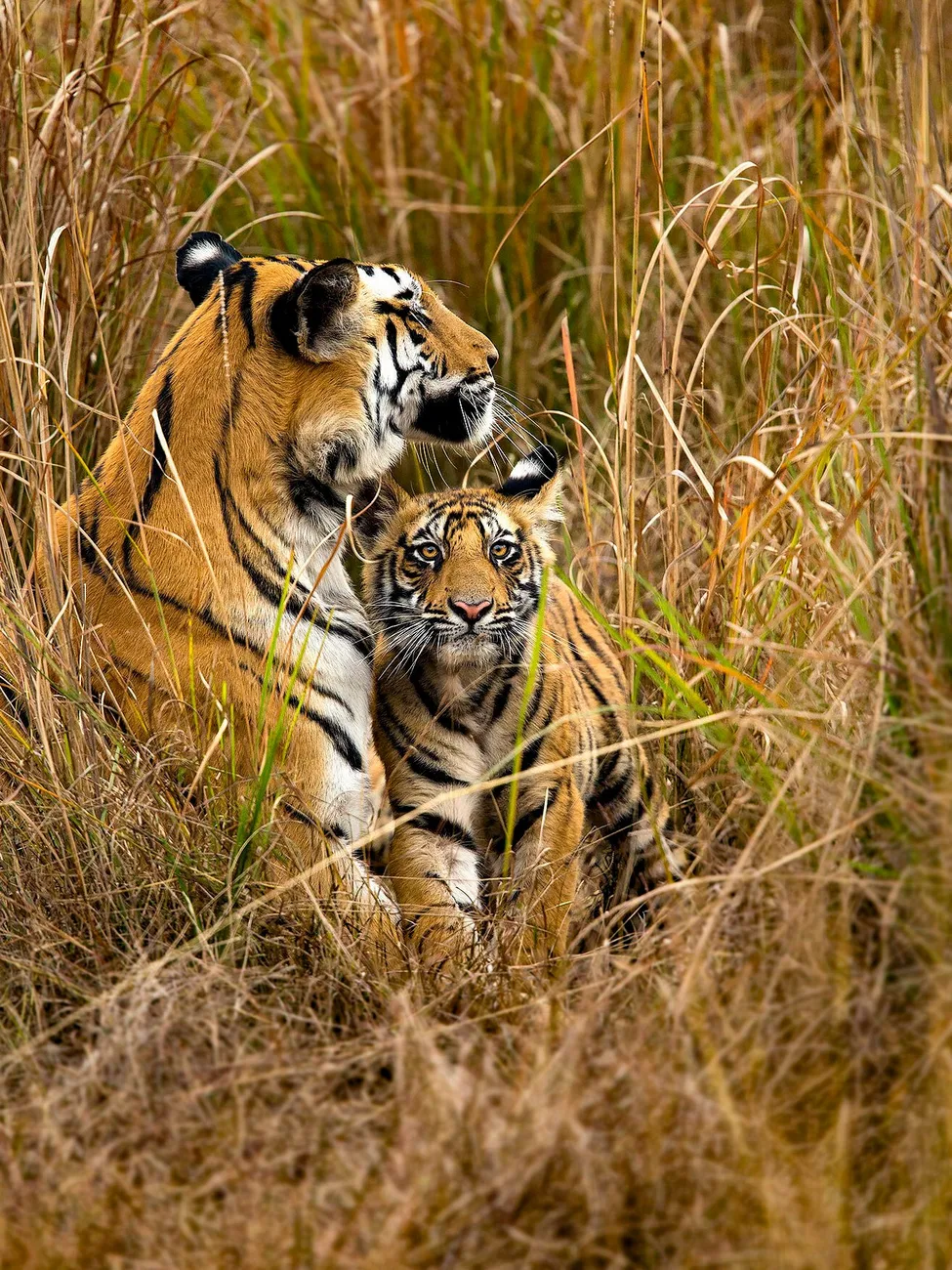
Getting to know Tigress Solo
As I continued to delve deeper into Solo’s life, I started recognizing her movement pattern and routines. I understood which game trails and paths she preferred most, and even which she avoided due to thorny bushes or uneven ground. I learnt of her favorite waterholes, caves for resting and trees for scent marking. All this helped me learn about her movement patterns in such detail that it became easier to predict where she will be seen next.
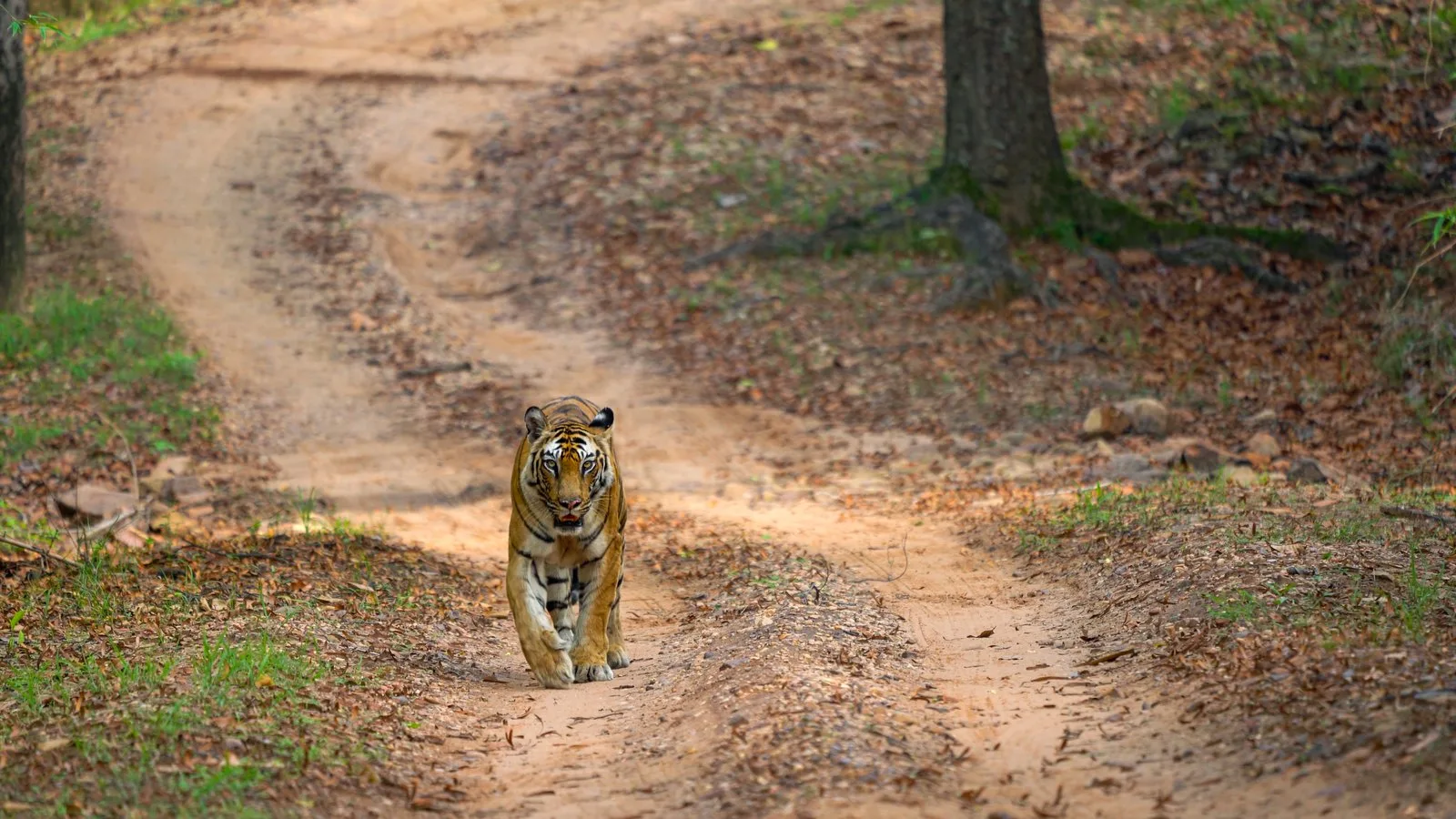
Tigers prefer the path of least resistance and love to walk on the soft sandy safari tracks in Bandhavgarh. The game trails and pugdundees used by Solo almost always led to a road, where her pugmarks would indicate if she has passed recently or some time ago. If you are a seasoned tracker, you can easily tell if a pugmark is fresh, if it belongs to a male or female and whether the tiger is walking, trotting, or running.
The rise of the Tiger Queen (and the troubles in her paradise)
Tigers are highly solitary cats and separate from their mothers within two-three years of birth. As Solo grew bigger and stronger, she pushed out her siblings to other territories and slowly captured her mother’s area – secluding Rajbehra to a small pocket of the forest where she would spend the rest of her life.
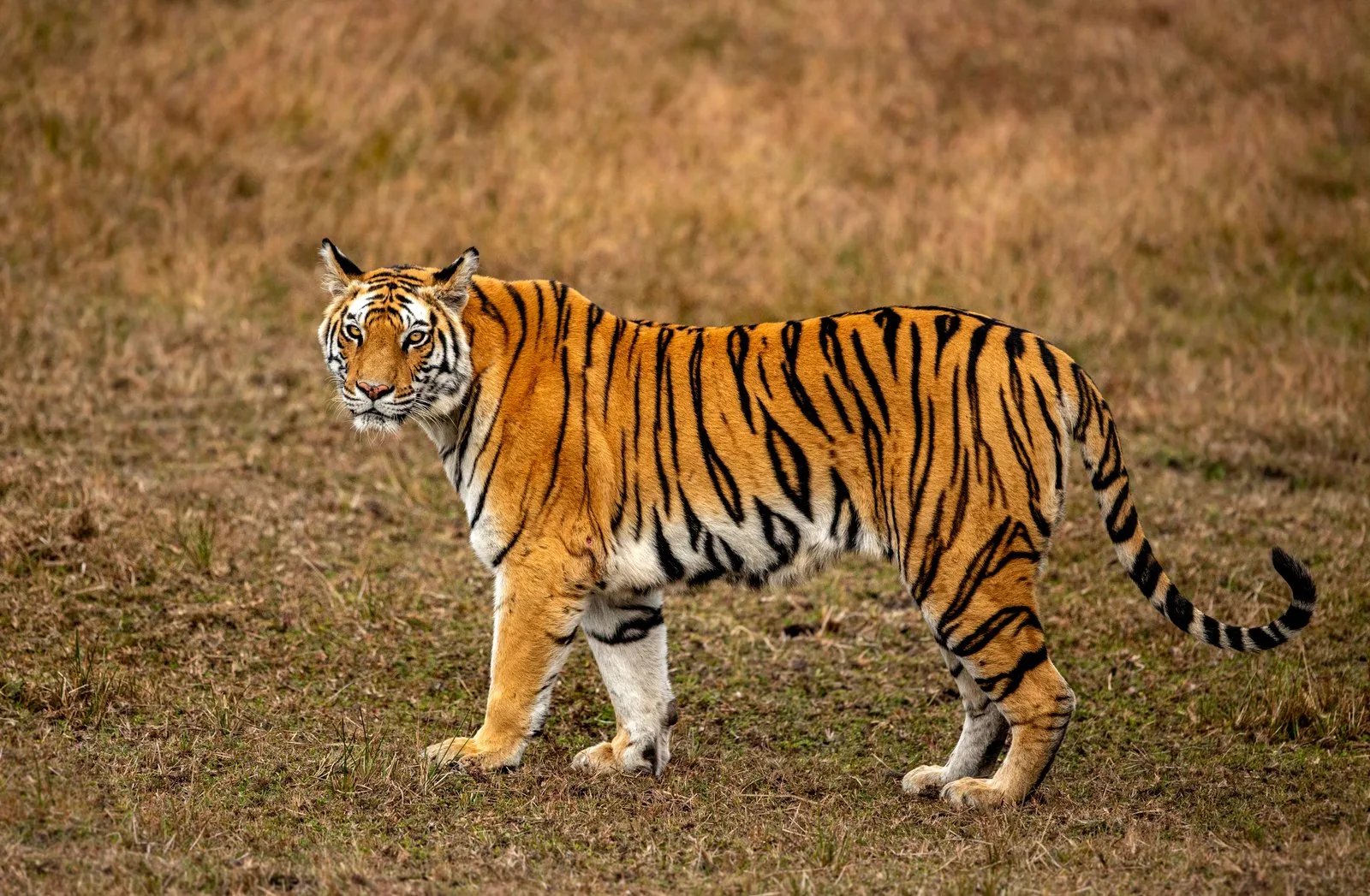
Just as Solo was beginning to establish her dynasty, trouble ensued. Her first litter of cubs were killed within a few weeks from birth. It is unclear who fathered these cubs – much of the lives of tigers remain secret – but it was confirmed that a male named Mangu killed them. It was incredibly tragic, but in the jungles, it is about the survival of the fittest. Male tigers who do not father the cubs, will kill them and mate with the female to ensure the future of their own progeny. It’s nature’s brutal way of ensuring the balance.
Solo’s second litter of five cubs were born in mid-2018, fathered by Mangu. One of them was born weak and passed away within two weeks of birth. After this loss and that of her first litter, Solo’s personality became more aggressive toward other tigers, and it culminated into one of the most difficult sightings of my life.
A fight that haunts me to this day
It was January 4th, 2019. Solo was now about seven years old. I was in the Sehra grassland area of her territory when alarm calls of Sambhar deer alerted me to a big cat’s presence. In the distance, we saw a bulky figure approaching the base of a hill where Solo kept her cubs – who were just about two months old at that time. As we approached the figure, it gave itself away as a male tiger known as Bamera Son. With his fluffy winter coat and mane in full glory, he looked bigger than ever. Though a beautiful sight, I was instantly alarmed because he was not the father of Solo’s cubs and trespassing her favorite area.
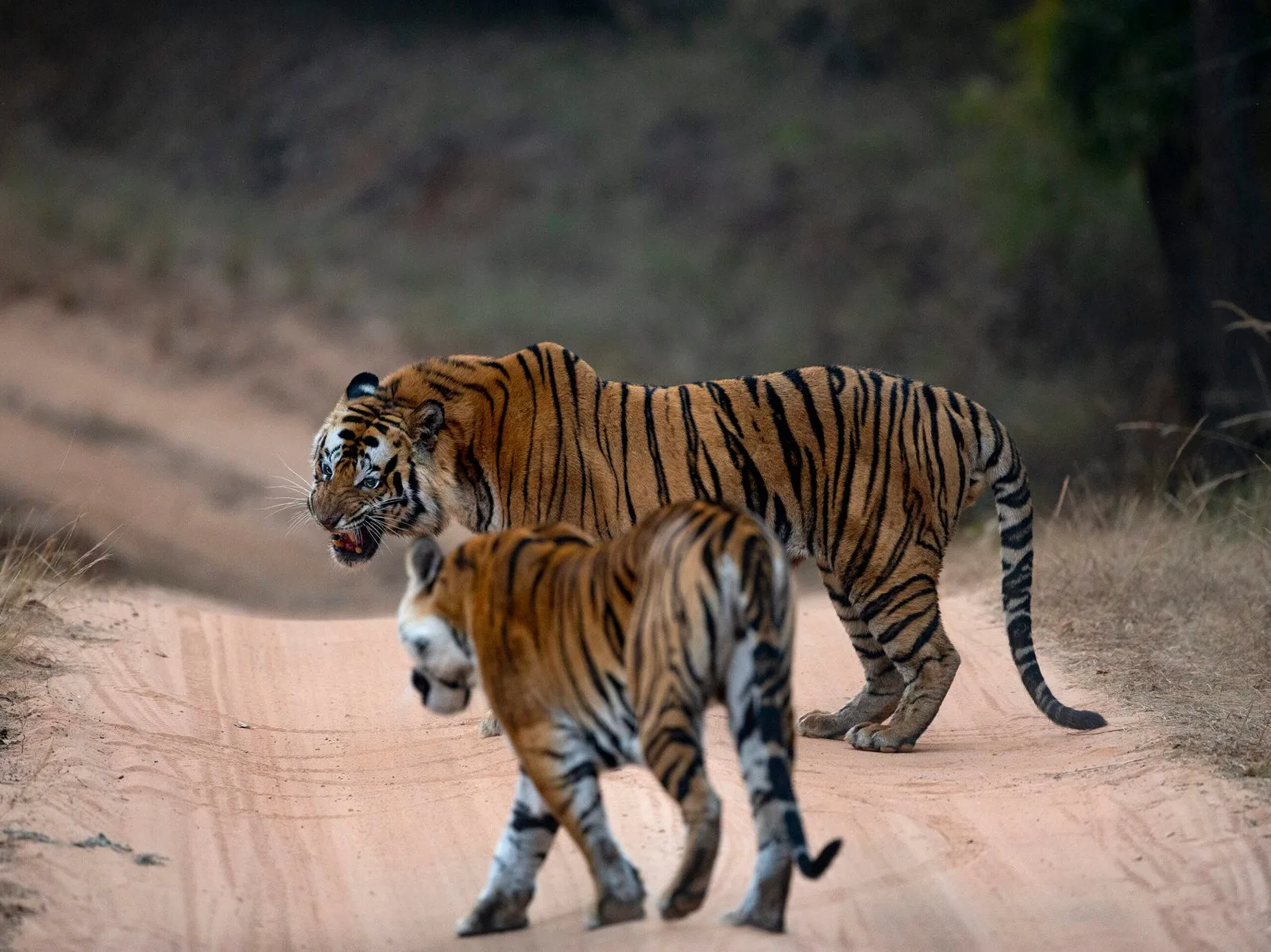
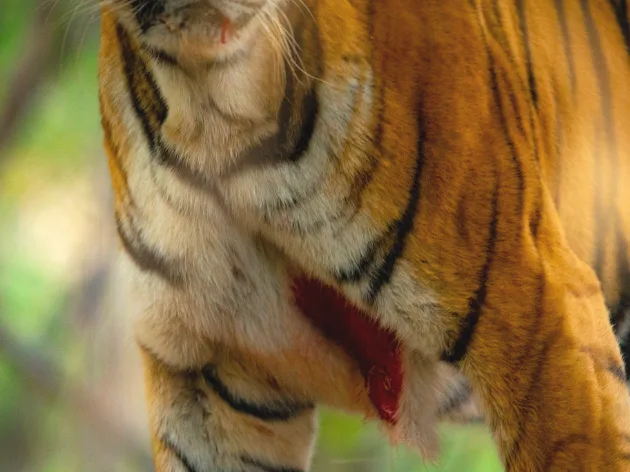
Within a few minutes, he picked up on Solo’s scent, and made his way toward her cave. And then everything happened with incredible speed. In an instant flash of blood and fury, Solo came thrashing down from the hill, almost crashing into Bamera Son, the forest around seemed to be shattering with the roaring sounds of the two tigers. It felt like the ground was shaking, and my legs began to give way in the jeep. The tigers were enveloped by thick bamboo, but the fight continued harder than ever, evident from the shaking of foliage as the two tussled about. At some point, the two separated, and Bamera Son made a dash for the road, with Solo in tow. Bamera Son’s mouth was bleeding, but what I saw next haunts me till this day – Solo, trotting behind him with her chest ripped open, skin hanging down and blood oozing out.
The Aftermath
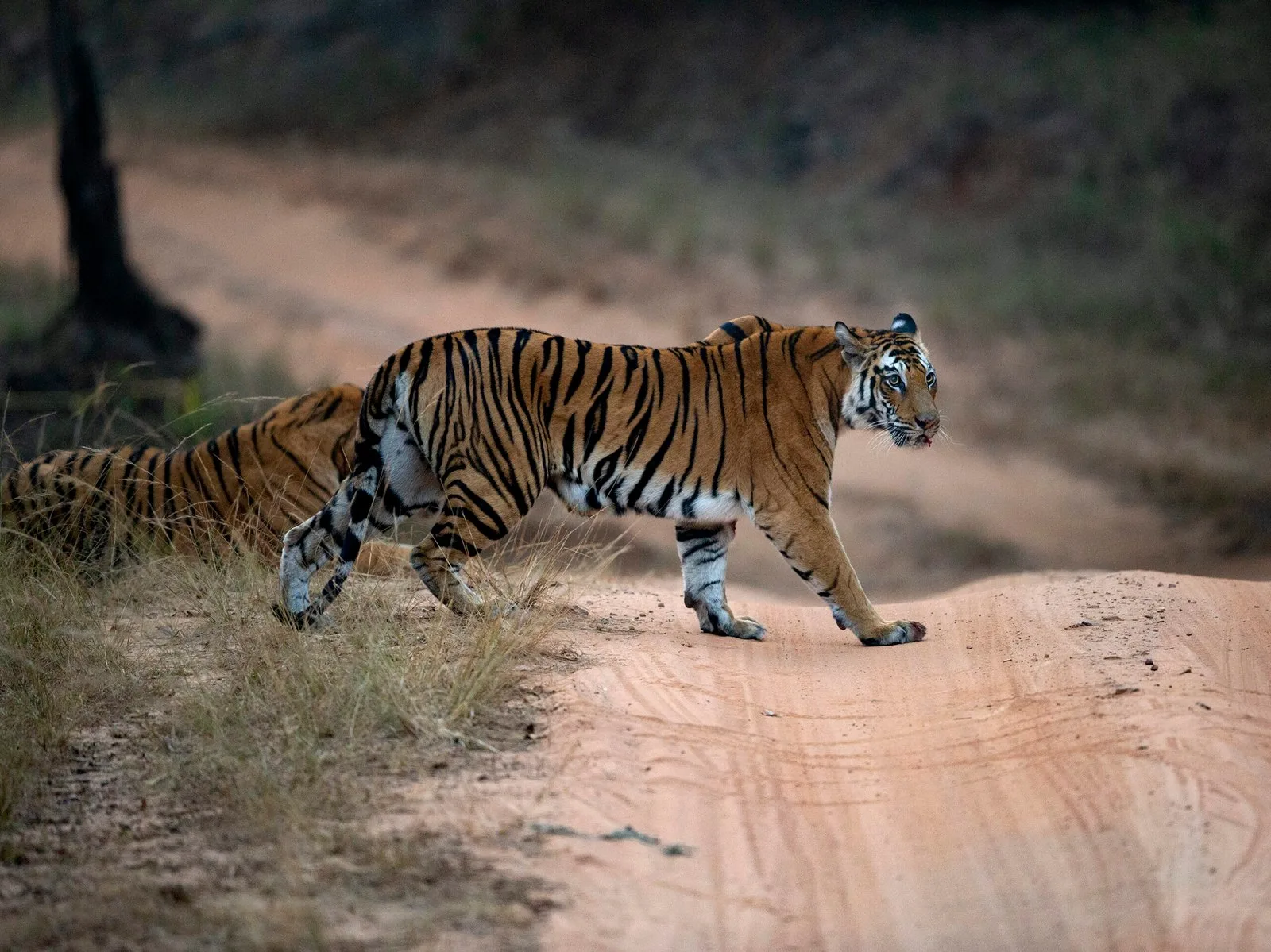
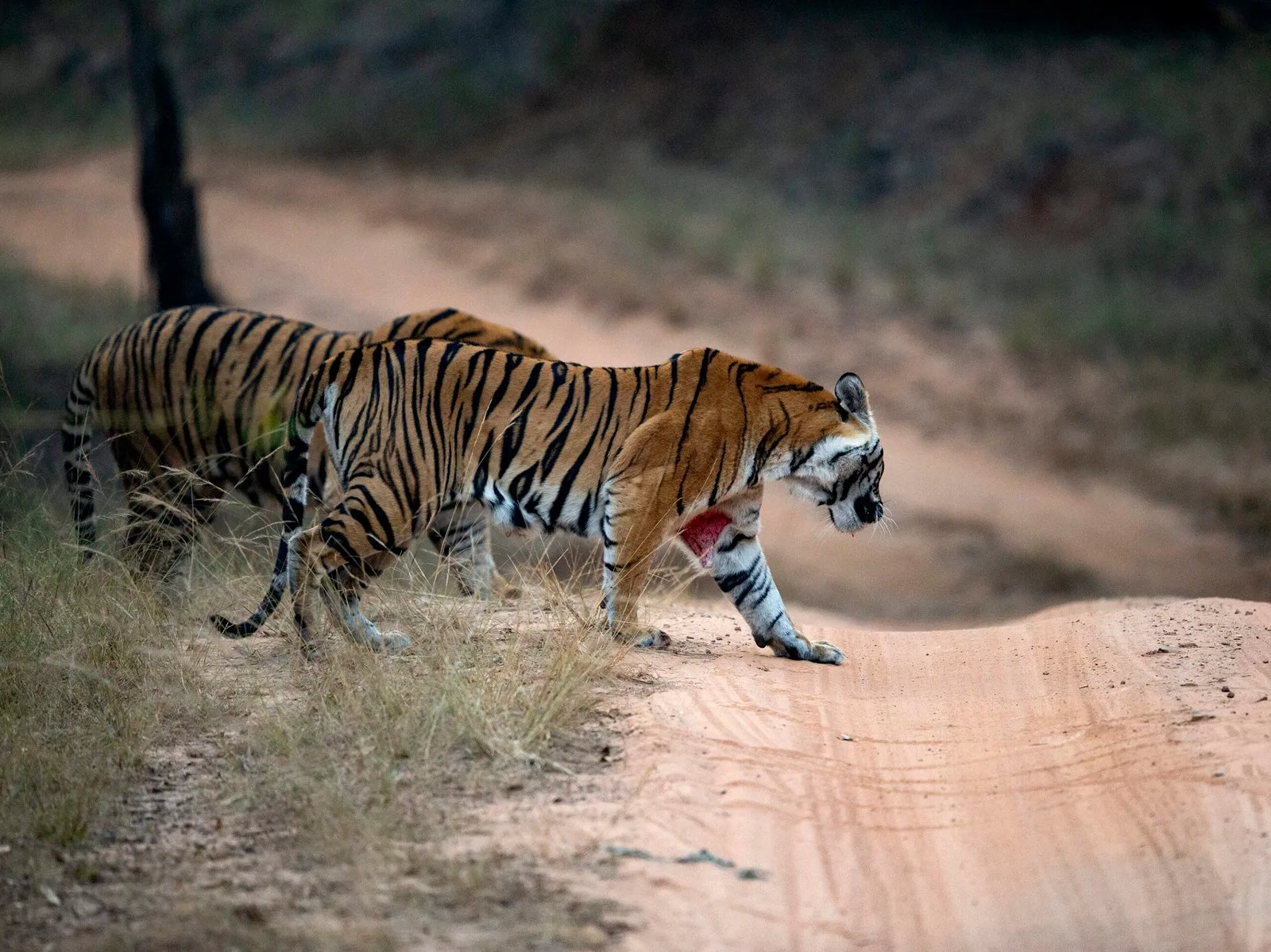
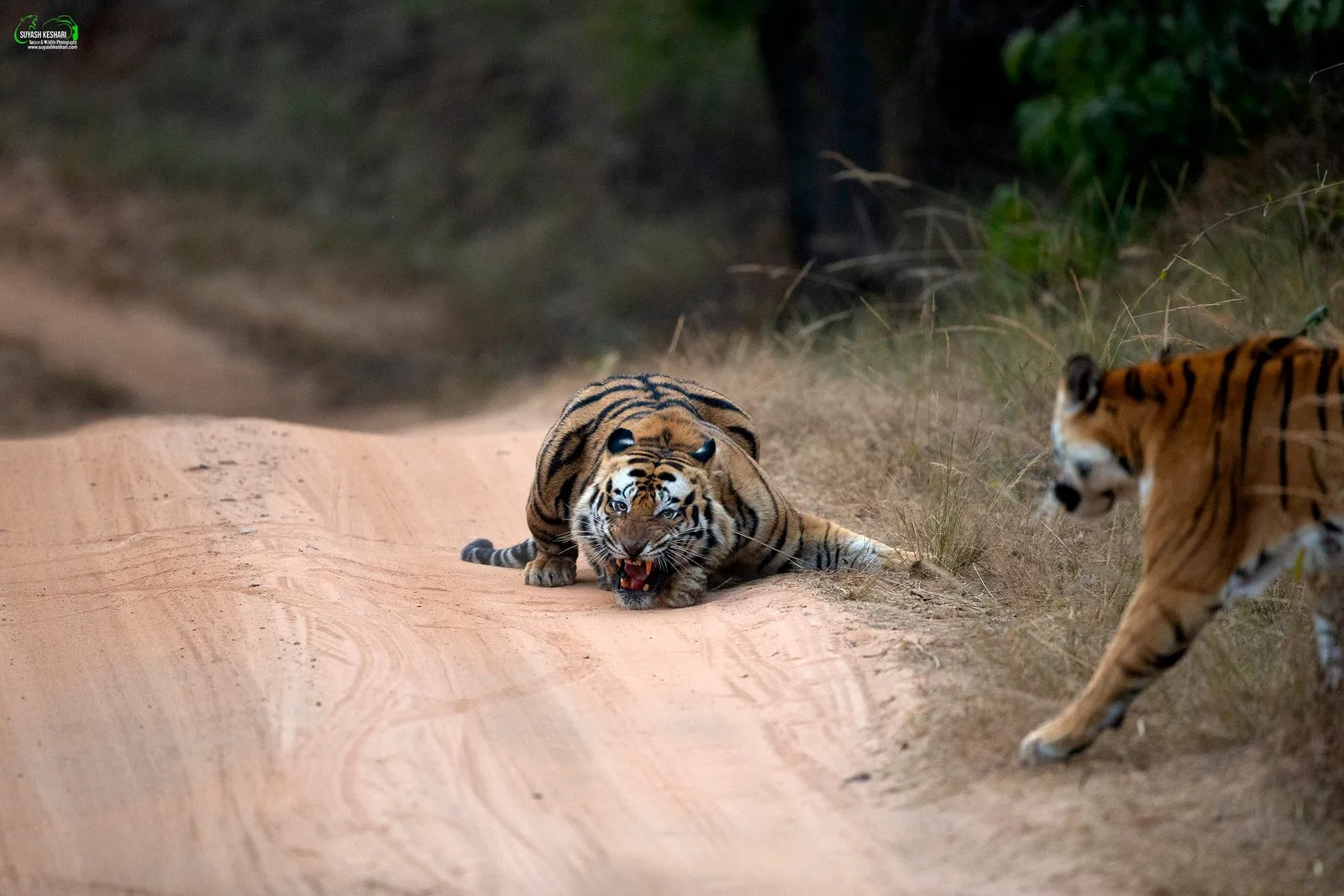
As the two came onto the road, Bamera Son crouched down in a show of submission, bringing the fight to a decisive victory for the female, but at a massive cost. Solo continued to size him up, determined to push him away. Despite being half his size, she had somehow managed to defeat him and save her cubs. Bamera Son submitted to her once he realized that she would fight till death.
My eyes were full of tears, and my hands had never felt so weak. My stomach turned and I felt sick knowing that I could not do anything to help her. I could not interfere with nature.
“Never had I ever felt such a boundless and inseparable connection as I felt in that moment with Solo.”
Suyash Keshari
As Bamera Son walked away, Solo approached my vehicle – her stomach was completely empty, it looked as if she was starving – her chest flapped open, and she was bleeding from her mouth, hind legs, paws, and shoulders. I feared for her survival and that of her cubs. She came and stood just a couple meters from my jeep and gazed at me with her amber eyes as if wanting to say something. Her eyes looked full of pain and distress. That is the moment captured on this portrait of Solo.
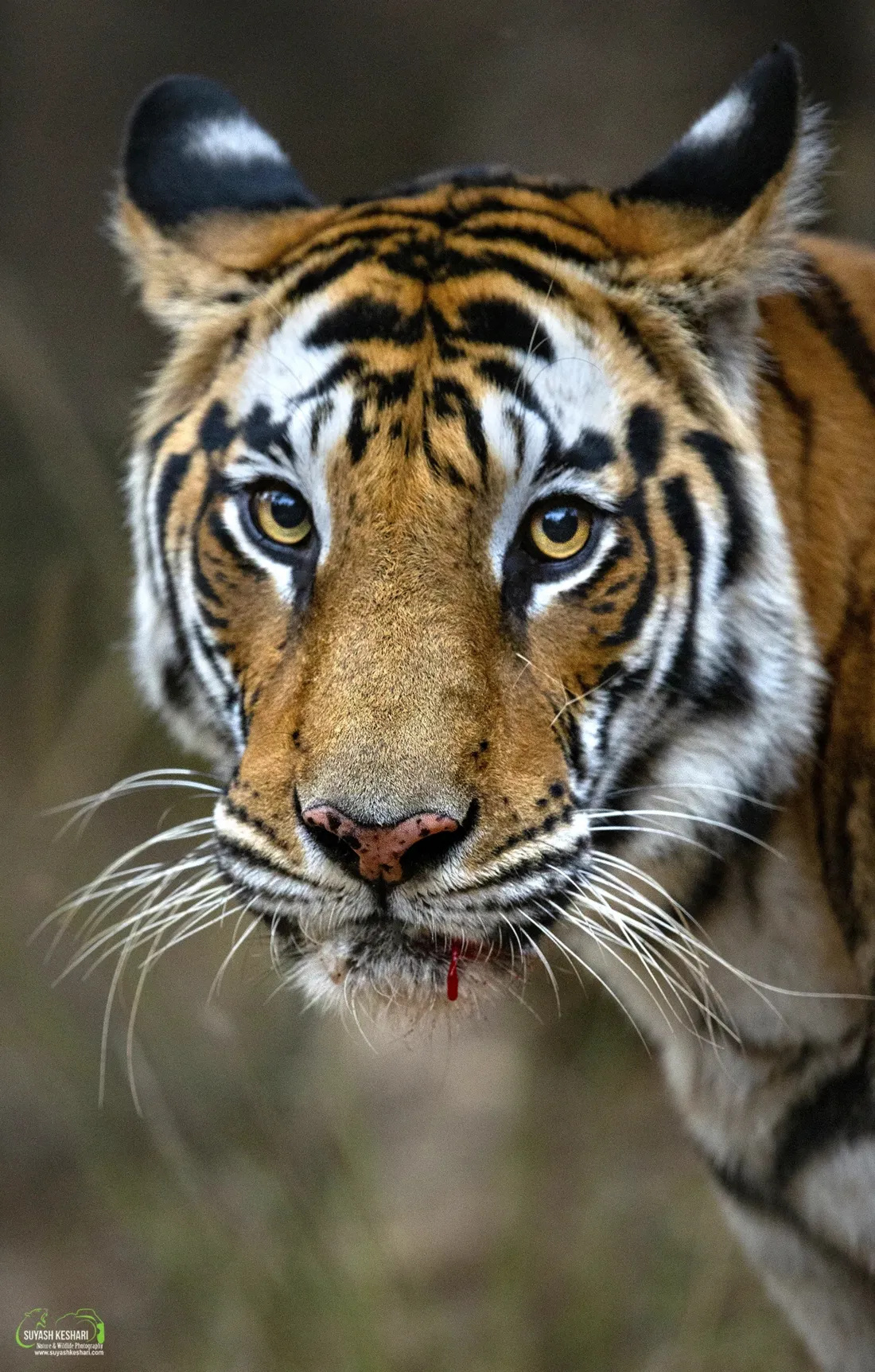
I have seen tigers thousands of times, spent countless hours with them and know many of them very intimately, but never had I ever felt such a boundless and inseparable connection as I felt in that moment with Solo.
A day later, Solo was tranquilized by the Forest Department, and her wounds were stitched up. Solo survived. And so did her cubs. Solo was a fighter.
Unfortunately, this was not the end of her struggle. Solo’s territory was traversed by nine different tigers. This was highly unusual and dangerous for her well-being, and the safety of her cubs. Ideally for every four to five females, there is one dominant male that overlaps their territory, mates with them, and protects their cubs from intruding males. But our tiger reserves have become islands of paradise surrounded by an ocean of concrete, farmlands, and mines. Tigers are unable to disperse into newer habitats. If the tigers go out of the reserve, they risk running into conflicts with humans or even worse being poached or run over by speeding vehicles and trains. The remaining pockets of connecting forests are simply too narrow and deprived of food and water, for the tigers to be able to disperse successfully.
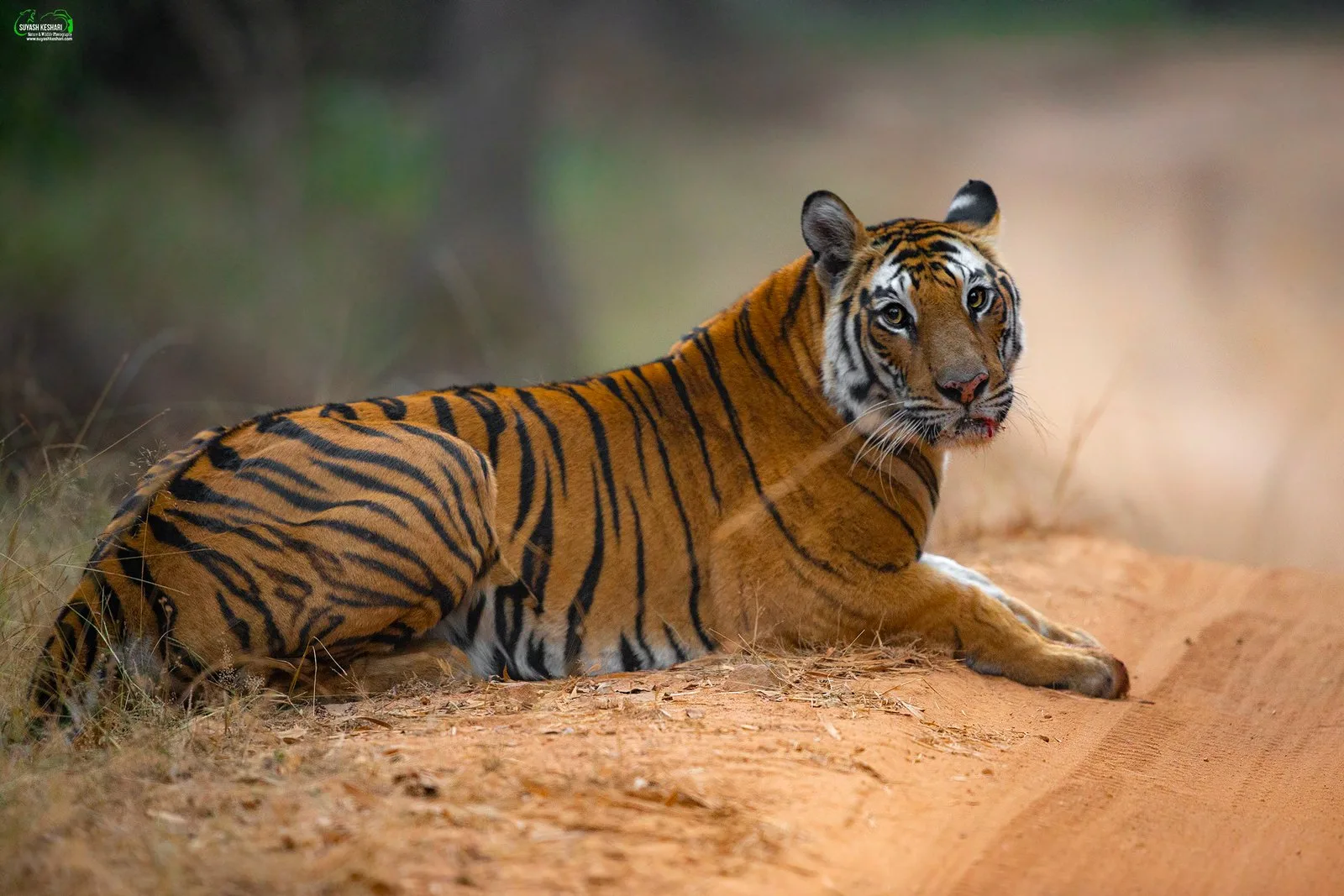
Solo’s problems got bigger when her chest opened back up during a difficult hunt, forcing the Forest Department to tranquilize her again to stitch her wounds – a process which is incredibly stressful for the tiger. And this process repeated itself several times. Solo grew weaker and weaker. Somehow, she was still able to provide for her cubs, as all four were quite healthy and growing at a fast pace.
A crisis in the Tiger Capital
Solo was in her prime, and her cubs represented the future of this troubled species, but I quickly realized that if they are to survive till adulthood, they require more space. Bandhavgarh was already overcrowded with tigers. The carrying capacity is approximately 65 tigers but the real count was 124.
In June 2020, a new female started asserting her dominance in Solo’s territory. And when the park reopened in October – after the monsoons – Solo and her cubs went missing. A search party found them two weeks later, in the outskirts of the park, near a small hillock bordering a village. While Solo’s cubs looked healthy as ever, she appeared quite weak and stressed – a gash healing on her shoulder was a sign of a brutal fight during the monsoons. But she was successful at protecting her cubs and keeping them healthy.
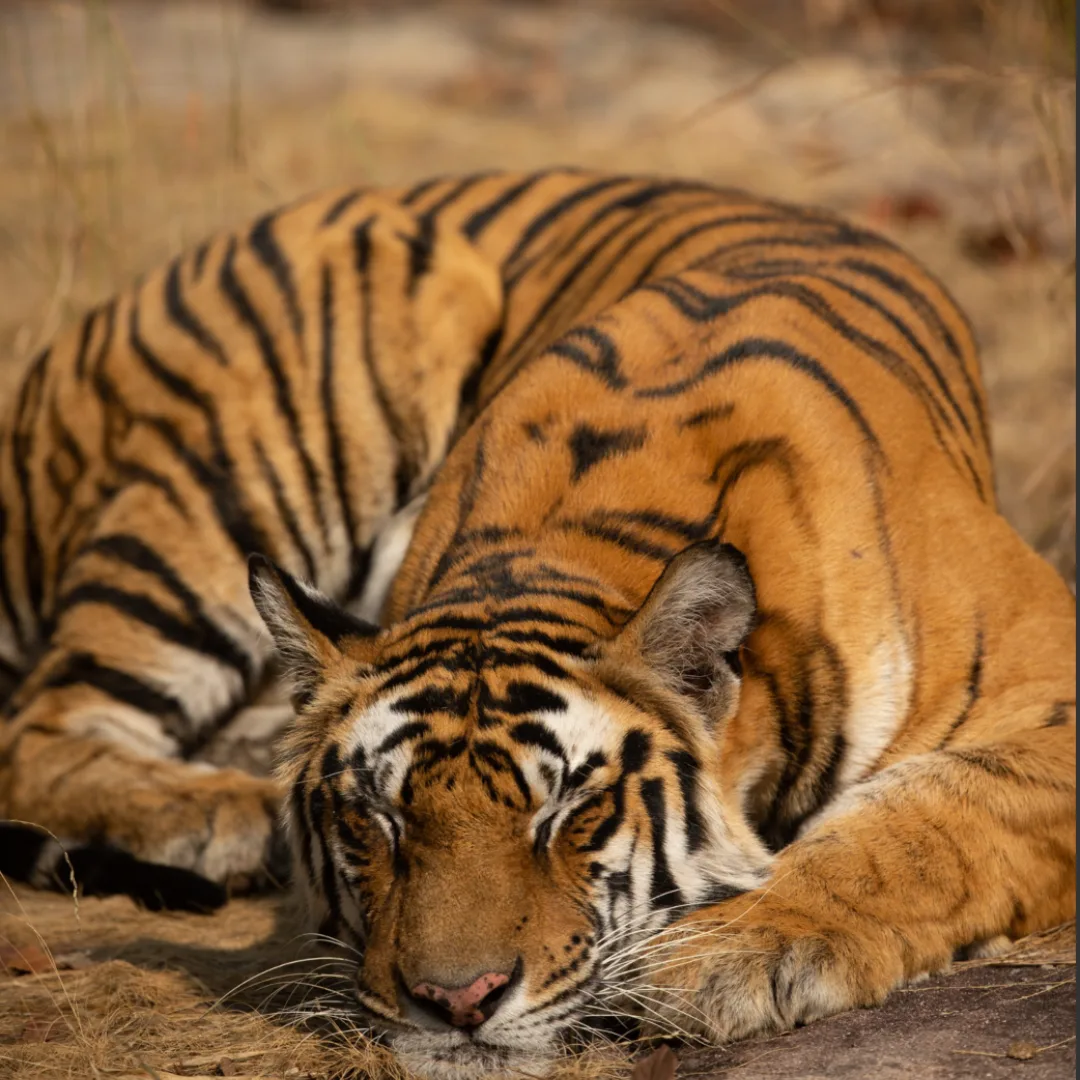
Things got out of hand when she was forced to seek respite in the periphery of the park and started preying on cattle. Solo and her cubs had nowhere else to go, and nothing else to eat. Every other territory in Bandhavgarh was occupied.
The Tragedy
On October 17th, 2020, Solo was found dead along with two of her female cubs next to a cattle carcass. The other two went missing. One female cub was seen sometime later but she too disappeared. The male was never found.
To this very day, the official reports claim that the “tigress was found dead under unnatural circumstances.” Interviews of the field guards and the vet however point to the fact that Solo, and her cubs died from poisoning of the carcass by humans, perhaps in retaliation to the cattle killings or worse – for poaching.
This news devastated me. It felt like one of the worst personal and professional losses. I had been working toward conservation in Bandhavgarh with all my heart and soul. But at hearing this, I felt like giving up on everything I do. Solo came out victorious from every challenge, but lost to humans. I felt completely hopeless.
After a couple weeks of mourning, I summoned the courage to return to Bandhavgarh to continue my work, reminding myself that there are still more tigers to protect, habitats to conserve, people to be influenced and lives to be changed.
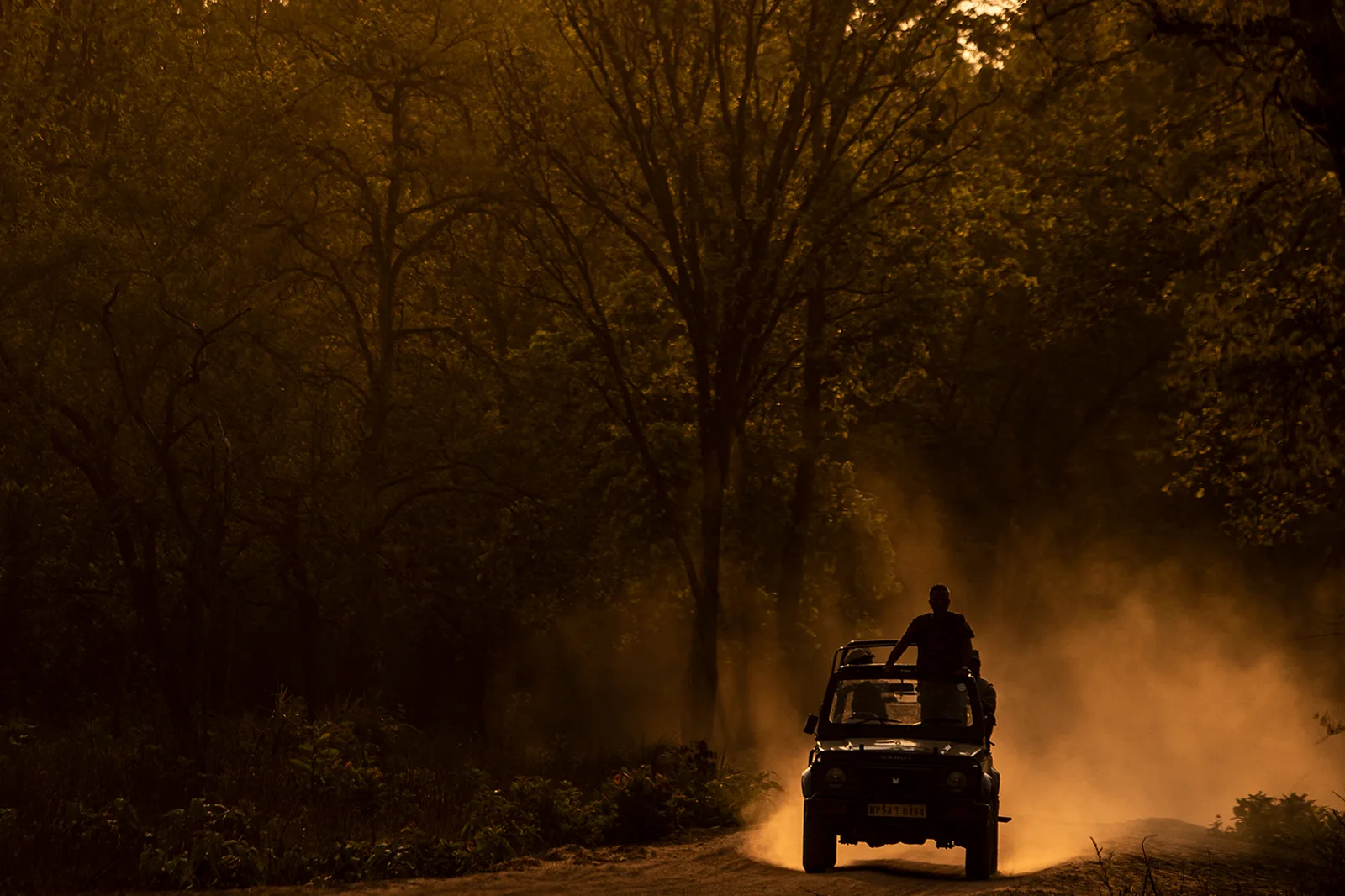
“Rest in peace and power, Solo. I will remain dedicated to your kind.”
Suyash Keshari